
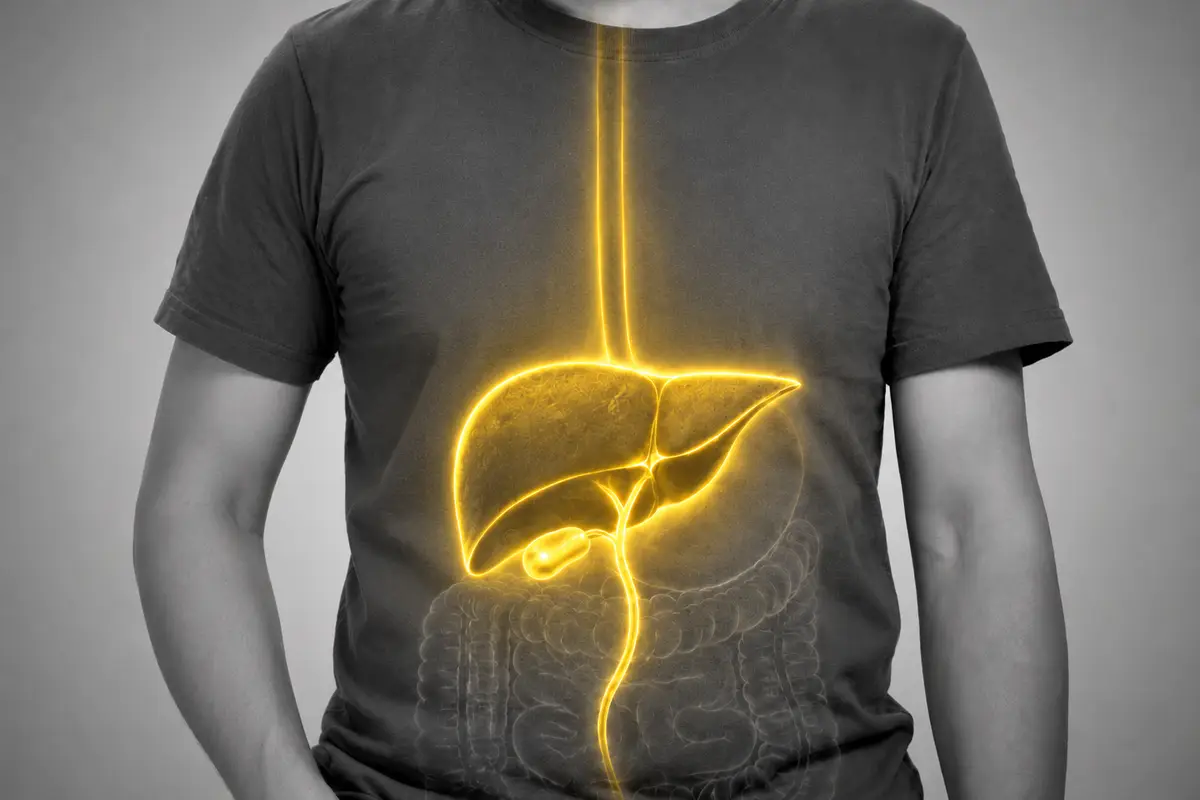
WHAT IS LIVER RESECTION SURGERY?
The liver performs many essential functions, including processing nutrients, producing bile, regulating blood clotting, and removing harmful substances from the blood. It also has a unique ability to regenerate after part of it is removed.
A liver resection, also called a partial hepatectomy, removes the portion of the liver containing a tumor or other abnormal tissue. The remaining liver can increase in size and function after surgery. However, liver resection is only appropriate when enough healthy, functioning liver can be safely preserved.
Compassion Surgical offers open, laparoscopic, and robotic-assisted liver surgery. The appropriate approach depends on the number, size, and location of the tumors; their relationship to major blood vessels and bile ducts; the health of the remaining liver; previous abdominal operations; and the patient’s overall condition.
Types of liver resection include:
- Wedge Resection – removes a tumor with a surrounding margin of liver tissue
- Segmentectomy – removes one or more anatomical segments of the liver
- Left Hepatectomy – removes the left portion of the liver
- Right Hepatectomy – removes the right portion of the liver
- Extended Hepatectomy – removes a larger portion of the liver in carefully selected patients
- Minimally Invasive Liver Resection – uses laparoscopic or robotic-assisted techniques when the tumor’s location and complexity permit
COMMON REASONS FOR LIVER SURGERY
Primary Liver Cancer
Hepatocellular carcinoma is the most common cancer that begins in the liver. Liver resection may be considered when the cancer can be completely removed and the remaining liver is expected to function adequately.
Many patients with hepatocellular carcinoma also have cirrhosis or other chronic liver disease. Liver function, tumor characteristics, portal hypertension, and the amount of healthy liver that will remain must be carefully evaluated before surgery.
Intrahepatic Cholangiocarcinoma
Intrahepatic cholangiocarcinoma is a cancer that begins in the bile ducts located within the liver. When the cancer is localized and removable, liver resection may offer the best opportunity for long-term disease control. Nearby lymph nodes may also be removed for staging.
Cancer That Has Spread to the Liver
The liver is a common location for cancer from another organ to spread. This is called liver metastasis.
Selected patients with liver metastases—particularly from colorectal cancer—may benefit from surgical removal. Treatment may also include chemotherapy, ablation, or other liver-directed therapies before, during, or after surgery.
Benign or Indeterminate Liver Tumors
Most benign liver lesions do not require surgery. Resection may be considered when a lesion causes significant symptoms, continues to grow, has a risk of bleeding or malignant transformation, or cannot be confidently characterized through imaging and other testing.
Gallbladder or Bile Duct Cancer
Selected gallbladder or bile duct cancers may require removal of adjacent liver tissue as part of a larger cancer operation. The extent of surgery depends on the tumor’s location and stage.
HOW IS LIVER RESECTION PLANNED?
Liver surgery requires careful evaluation before an operation is recommended. Testing may include:
- CT or MRI imaging of the liver
- Blood tests to evaluate liver function and blood clotting
- Assessment for cirrhosis or portal hypertension
- Evaluation of the amount and function of the liver that will remain
- Chest or other imaging to determine whether cancer has spread
- Review by a multidisciplinary cancer team
- Additional procedures such as biopsy, endoscopy, or liver-directed treatment when appropriate
In selected patients who need a major liver resection, a procedure may be performed before surgery to increase the size of the portion of liver that will remain.
HOW IS A LIVER RESECTION PERFORMED?
Liver resection is performed under general anesthesia at an accredited hospital.
During laparoscopic or robotic-assisted liver surgery, the surgeon operates through several small abdominal incisions using a camera and specialized instruments. A slightly larger incision may be needed to safely remove the surgical specimen.
The surgeon identifies and controls the blood vessels and bile ducts supplying the portion of liver being removed. The liver tissue is then carefully divided, bleeding and bile leakage are controlled, and the specimen is removed for examination by a pathologist.
An open operation may be recommended for large tumors, tumors involving major blood vessels or bile ducts, multiple tumors, extensive scar tissue, or other complex circumstances. Occasionally, a minimally invasive operation must be converted to an open procedure to complete the surgery safely.
WHAT SHOULD I EXPECT AFTER LIVER SURGERY?
The length of surgery, hospital stay, and recovery depend on the amount of liver removed, the operative approach, the patient’s liver function, and the complexity of the procedure.
Most patients remain in the hospital for several days after a liver resection. During this time, the surgical team monitors pain control, liver function, bleeding, bowel function, nutrition, and mobility.
Temporary fatigue, decreased appetite, abdominal soreness, and changes in bowel habits are common. Walking is encouraged, but heavy lifting and strenuous activity are restricted during the initial recovery period.
Patients undergoing a smaller minimally invasive resection may recover more quickly than those undergoing a major or open hepatectomy. Many patients gradually return to routine activities over four to eight weeks, although recovery varies considerably.
An initial postoperative appointment is generally scheduled within one to two weeks. The surgeon will review healing and the final pathology results and coordinate any additional oncology treatment or surveillance. Follow-up after cancer surgery continues beyond the initial postoperative visit.
WHAT ARE THE POTENTIAL RISKS?
Liver surgery is a major operation. Potential complications include:
- Bleeding or the need for blood transfusion
- Bile leakage
- Infection or abdominal abscess
- Blood clots
- Fluid accumulation
- Injury to nearby organs, blood vessels, or bile ducts
- Temporary or permanent decline in liver function
- Liver failure
- Incisional hernia
- Conversion from minimally invasive to open surgery
- Recurrence of the tumor
- Need for additional procedures or treatment
The risk depends on the extent of the resection, underlying liver health, tumor characteristics, and the patient’s overall condition.
PERSONALIZED TREATMENT FOR LIVER TUMORS
If you have been diagnosed with a primary liver cancer, liver metastasis, bile duct cancer, gallbladder cancer involving the liver, or a concerning liver mass, schedule a consultation at Compassion Surgical.
We will review your imaging, liver function, pathology, previous treatment, and overall health to determine whether liver resection is appropriate and whether a robotic-assisted, laparoscopic, or open approach offers the safest and most effective treatment.