
Procedures
Our skilled surgeons and advanced technology deliver personalized care centered around you.
Offering the Best Surgery Options in Arizona
At Compassion Surgical, our team of expert surgeons offers the best surgery procedures for our patients. Through general surgery, pancreas-hepatobiliary surgery, endocrine surgery, and skin and soft tissue surgery, our surgeons utilize advanced techniques and customized treatment options to improve our patients' health. Additionally, we offer robotic surgery for less invasive procedures and quicker recovery times.
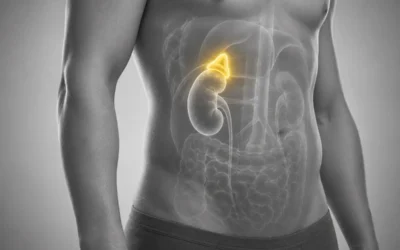
A robotic or laparoscopic adrenalectomy is a minimally invasive surgery that removes one or both adrenal glands to treat a tumor or adrenal disease.
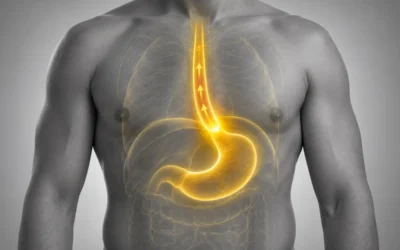
Robotic hiatal hernia repair and fundoplication can help treat patients with gastroesophageal reflux disease (GERD) or a hiatal hernia.
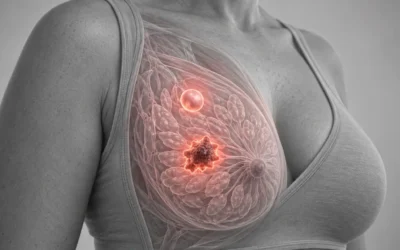
Breast surgery treats a range of benign and cancerous conditions through procedures like lumpectomy, lymph node evaluation, and mastectomy, tailored to each patient's diagnosis.
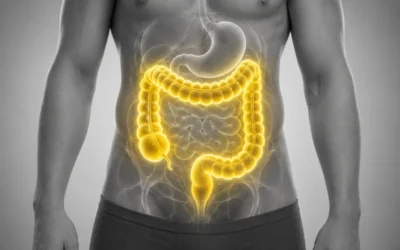
The colon (also known as the large intestine) may be completely or partially removed with a robotic or laparoscopic colectomy for cancers or polyps.
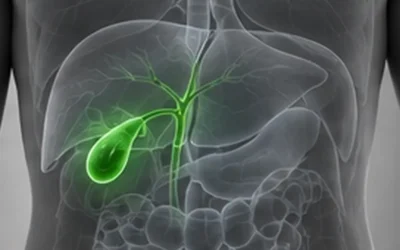
Laparoscopic cholecystectomy is a minimally invasive gallbladder removal surgery used when gallbladder stones or dysfunction occur.
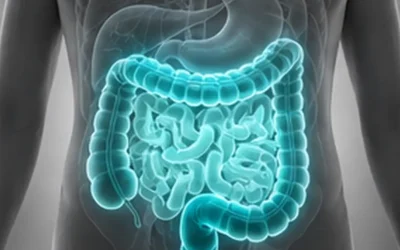
Robotic gastrointestinal and colorectal surgery offers a minimally invasive way to treat conditions like colon cancer, using precise technology to reduce discomfort and speed recovery.
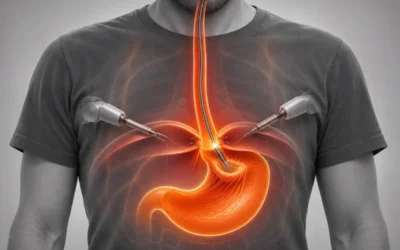
Robotic Enterra Therapy is a minimally invasive procedure that implants a gastric electrical stimulation system to help reduce chronic nausea and vomiting caused by diabetic or idiopathic gastroparesi...
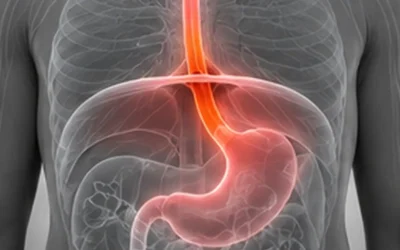
Robotic hiatal and foregut surgery provides a minimally invasive option for upper digestive conditions like hernias, using precise technology to ease discomfort and speed recovery.
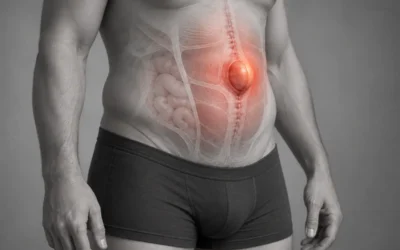
Incisional hernia surgery repairs weaknesses at a prior surgical incision through laparoscopic, robotic-assisted, or open techniques, tailored to each patient's anatomy.
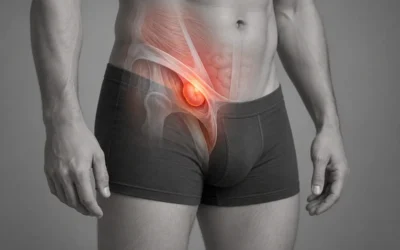
Inguinal hernia surgery repairs weaknesses in the lower abdominal wall through laparoscopic, robotic-assisted, or open techniques, tailored to each patient's anatomy.
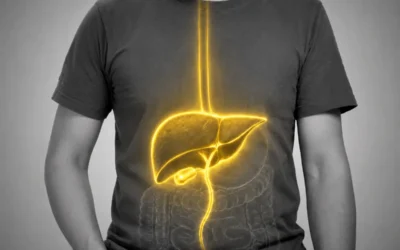
A laparoscopic hepatectomy is a minimally invasive surgery that treats liver diseases by removing cancers, tumors, masses, or cysts.
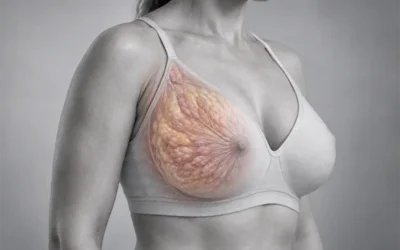
Lumpectomy removes a tumor and surrounding tissue while preserving the natural breast through image-guided localization and oncoplastic techniques, tailored to each patient's diagnosis.
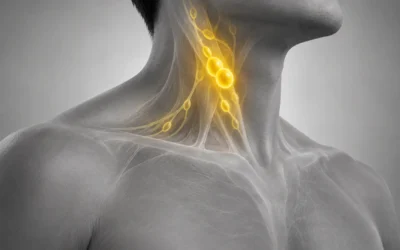
Lymph node surgery is performed to diagnose the cause of abnormal or enlarged lymph nodes, determine whether cancer has spread, or treat confirmed cancer within the lymph nodes.

Mastectomy removes some or all breast tissue to treat or reduce the risk of breast cancer through nipple-sparing, skin-sparing, or reconstructive techniques, tailored to each patient's diagnosis.
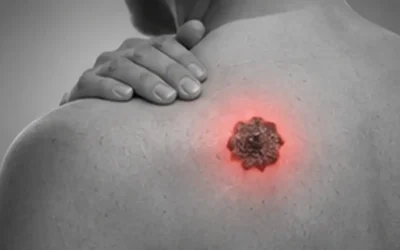
Surgical excision of skin cancer is a treatment that uses a scalpel to remove cancerous or precancerous lesions as well as adequate surrounding tissue
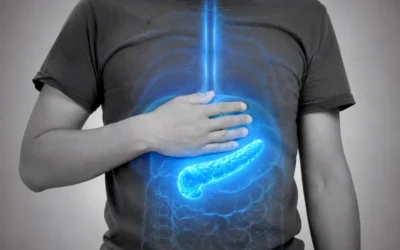
Pancreas surgery removes part or all of the pancreas to treat pancreatic cancer, tumors, cysts, and other pancreatic conditions.
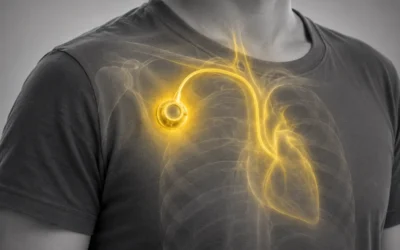
Port-a-Cath venous insertion offers a more efficient, long-term alternative to a traditional IV, allowing patients semi-permanent treatment access.
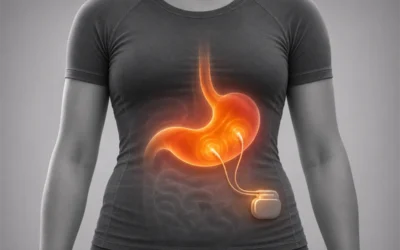
Robotic cTIF is a minimally invasive procedure that combines robotic hiatal hernia repair with incisionless endoscopic valve reconstruction (TIF 2.0) during a single anesthesia session to treat the an...
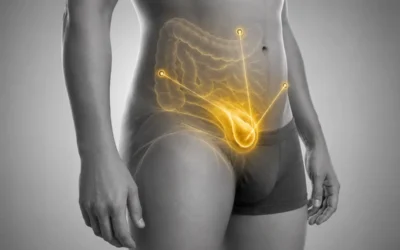
Robotic hernia repair surgery uses minimally invasive techniques to effectively repair a painful bulge or tear in a muscle or fascia.
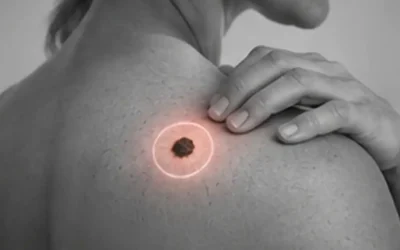
The removal of benign skin lesions can be performed via excision, shave biopsy or drainage and is used to treat lumps, bumps & many other lesion forms.
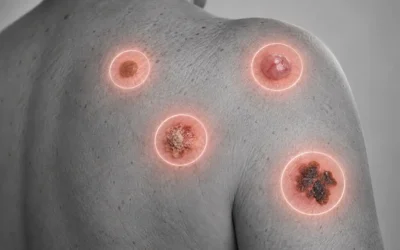
Skin surgery treats a range of benign and cancerous lesions through procedures like wide local excision, tissue flap reconstruction, and lymph node evaluation, tailored to each patient's diagnosis.
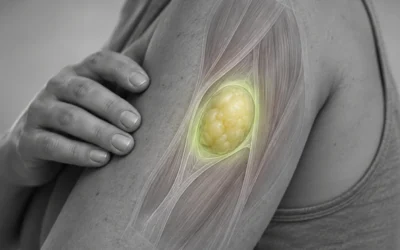
Soft tissue surgery helps diagnose and treat abnormal masses through procedures such as mass excision, lymph node biopsy, and regional lymph node dissection.
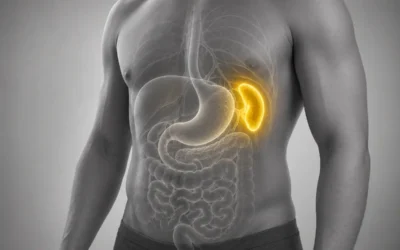
Robotic or Laparoscopic spleen removal surgery, known as splenectomy, is performed to remove a spleen that is not functioning properly or is diseased.
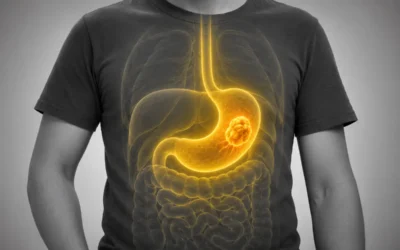
A robotic or laparoscopic gastrectomy is a minimally invasive surgery that is used to treat stomach cancer with partial/total removal of the stomach.
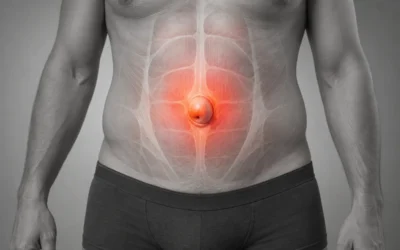
Umbilical/ventral hernia surgery repairs abdominal wall defects near the navel or midline through laparoscopic, robotic-assisted, or open techniques, tailored to each patient's anatomy.
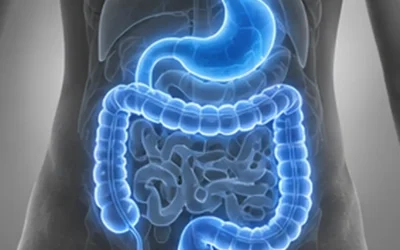
Convenient local access to EGD and colonoscopy helps screen for cancer and diagnose or treat conditions affecting the upper and lower digestive tract.