
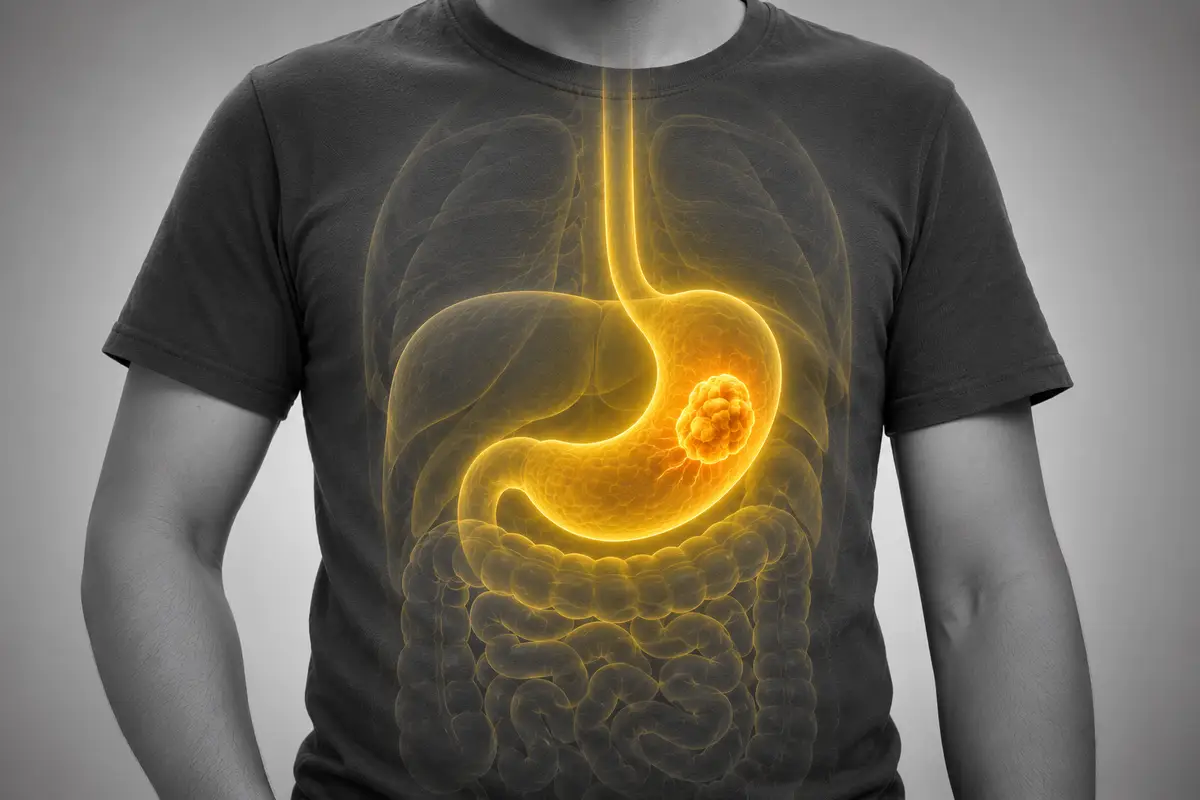
WHAT IS STOMACH CANCER SURGERY?
Stomach cancer surgery removes the cancer along with an appropriate margin of surrounding tissue and, when indicated, nearby lymph nodes. Depending on the tumor’s location and extent, the operation may remove part of the stomach or the entire stomach.
Surgery is most often used for cancer that appears removable and has not spread extensively to distant organs. Treatment frequently includes chemotherapy before or after surgery, and occasionally radiation therapy, as part of a multidisciplinary cancer plan.
At Compassion Surgical, stomach surgery may be performed through an open incision or with a minimally invasive laparoscopic or robotic-assisted approach. The safest and most appropriate method depends on the cancer’s location and stage, the patient’s anatomy and health, and the complexity of the required reconstruction.
TYPES OF STOMACH CANCER SURGERY
Subtotal or Partial Gastrectomy
A subtotal gastrectomy removes the portion of the stomach containing the cancer while preserving the remaining healthy stomach when oncologically appropriate. The digestive tract is then reconstructed by connecting the remaining stomach to the small intestine.
Total Gastrectomy
A total gastrectomy removes the entire stomach. The esophagus is then connected to the small intestine so food can continue through the digestive tract. Patients can eat after total gastrectomy, but they must make permanent changes to meal size and eating patterns and will require lifelong nutritional monitoring.
Lymph Node Dissection
Removal of nearby lymph nodes is an essential part of most operations for invasive gastric cancer. The lymph nodes are examined to determine whether cancer has spread and to help guide additional treatment.
Limited Gastric Resection
Selected tumors, such as certain gastrointestinal stromal tumors, may be treated by removing the tumor and a smaller portion of the stomach. The appropriate operation depends on the tumor type, size, and location.
COMMON REASONS FOR STOMACH SURGERY
Gastric Adenocarcinoma
Adenocarcinoma is the most common form of stomach cancer. The recommended operation depends on the tumor’s location, depth, lymph-node involvement, and whether it has spread to other organs.
Very early cancers may occasionally be removed endoscopically without gastrectomy. More advanced but still removable cancers generally require partial or total gastrectomy with regional lymph-node removal. Cancer that has spread to distant organs is usually treated primarily with systemic therapy rather than curative gastrectomy, although surgery may occasionally be used to address bleeding, obstruction, or another complication.
Gastrointestinal Stromal Tumors
Gastrointestinal stromal tumors, or GISTs, can develop in the wall of the stomach. Surgery may involve a limited or wedge resection rather than removal of a large portion of the stomach. Some patients receive targeted medication before or after surgery.
Gastric Neuroendocrine Tumors
Treatment of a gastric neuroendocrine tumor depends on its type, size, number, depth, and growth characteristics. Options range from endoscopic removal to partial or total gastrectomy.
Hereditary Diffuse Gastric Cancer
People with a confirmed disease-causing alteration in the CDH1 gene may have a substantially increased risk of hereditary diffuse gastric cancer. After genetic counseling and specialized evaluation, risk-reducing total gastrectomy may be recommended even when endoscopy does not identify a tumor. This is a highly individualized decision—not a routine recommendation for everyone with a family history of stomach cancer.
Selected Noncancerous Conditions
Gastrectomy is occasionally required for severe bleeding, perforation, complex ulcer disease, or a symptomatic benign tumor that cannot be managed with less invasive treatment. These indications are much less common because many stomach conditions can now be treated with medication or endoscopic procedures.
HOW IS STOMACH CANCER SURGERY PLANNED?
Planning generally begins with endoscopy and biopsy to establish the diagnosis. Additional evaluation may include CT, PET, endoscopic ultrasound, laboratory testing, and diagnostic laparoscopy with abdominal washings.
The case may be reviewed by a multidisciplinary team that includes a surgeon, medical oncologist, gastroenterologist, radiologist, pathologist, dietitian, and other specialists. Some patients receive chemotherapy before surgery to treat microscopic disease and improve the likelihood of complete cancer removal.
Surgery is recommended only after the team evaluates whether the cancer is removable and whether an operation is likely to provide meaningful benefit.
HOW IS GASTRECTOMY PERFORMED?
Gastrectomy is performed under general anesthesia in a hospital. The surgeon removes the affected portion of the stomach—or the entire stomach—along with appropriate surrounding tissue and regional lymph nodes.
After a partial gastrectomy, the remaining stomach is connected to the small intestine. After a total gastrectomy, the esophagus is connected directly to the small intestine. This reconstruction allows food to continue through the digestive tract, but digestion, meal size, and nutrient absorption will change.
If the tumor directly involves a nearby organ, removal of additional tissue may occasionally be required to achieve complete cancer clearance. Routine removal of the spleen or pancreas is avoided unless involvement or another specific indication makes it necessary.
WHAT CAN I EXPECT AFTER STOMACH CANCER SURGERY?
Gastrectomy is a major operation that commonly takes several hours. Patients usually remain in the hospital for several days or longer while pain is controlled, bowel function returns, and oral intake is gradually resumed.
After discharge, fatigue, decreased appetite, early fullness, and weight loss are common. Most patients require approximately 4 – 8 weeks or longer to recover, depending on the extent of surgery, treatment plan, and overall health.
An initial postoperative visit is generally scheduled within 1 – 2 weeks. During follow-up, the surgeon evaluates healing, reviews the final pathology results, and coordinates any additional cancer treatment.
NUTRITION AFTER GASTRECTOMY
Patients generally need to eat smaller, more frequent meals after partial or total gastrectomy. A dietitian can help manage weight, hydration, protein intake, and symptoms such as reflux or dumping syndrome.
Nutritional monitoring may include:
- Vitamin B12
- Iron
- Folate
- Calcium and vitamin D
- Protein and overall calorie intake
- Blood counts and other nutritional laboratory studies
Patients who undergo total gastrectomy require lifelong vitamin B12 replacement. Other supplements are prescribed according to the operation and laboratory results.
WHAT ARE THE POSSIBLE RISKS?
Potential complications include:
- Bleeding or infection
- Leakage from a digestive connection
- Blood clots or lung complications
- Injury to nearby organs
- Delayed stomach emptying after partial gastrectomy
- Narrowing at a reconstructed connection
- Reflux or bile reflux
- Dumping syndrome
- Weight loss, malnutrition, or vitamin deficiency
- The need for an open operation when a minimally invasive procedure cannot be completed safely
The surgeon will discuss the anticipated benefits and risks based on the planned operation.
COORDINATED CARE FOR STOMACH CANCER
If you have been diagnosed with stomach cancer, a gastrointestinal stromal tumor, or another gastric condition that may require surgery, schedule a consultation at Compassion Surgical. Our surgeons can review your imaging and pathology, explain whether surgery is appropriate, and coordinate treatment with your oncology and gastroenterology teams.