
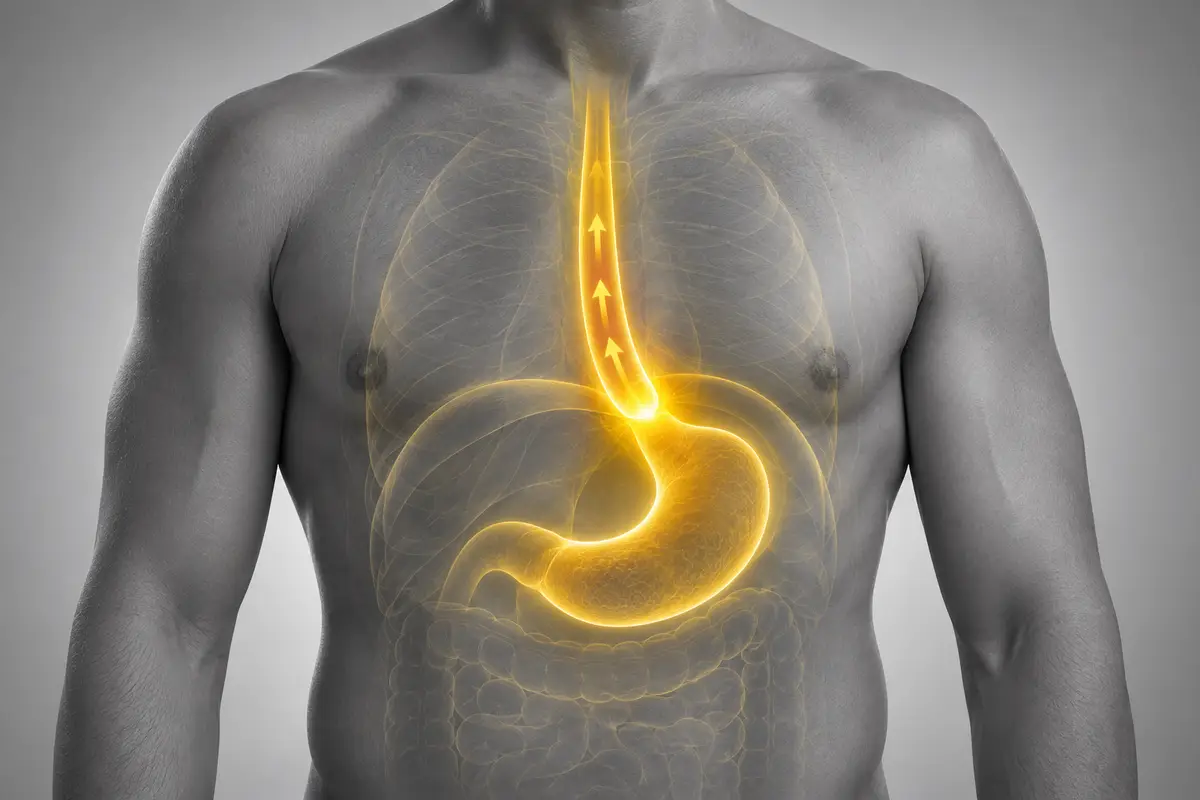
WHAT IS ANTI-REFLUX SURGERY?
Gastroesophageal reflux disease, commonly called GERD, occurs when stomach contents repeatedly flow backward into the esophagus. This can cause heartburn, regurgitation, chest discomfort, difficulty swallowing, chronic cough, hoarseness, or other symptoms. Some patients experience reflux without typical heartburn.
Occasional acid reflux is common, but GERD is a chronic condition that can affect quality of life and, in some patients, lead to inflammation of the esophagus, narrowing of the esophagus, or Barrett’s esophagus.
Many patients successfully manage GERD through dietary changes, lifestyle modifications, and medications. When symptoms remain troublesome despite appropriate treatment—or when a patient has objectively confirmed reflux and prefers a surgical alternative to long-term medication—anti-reflux surgery may be considered.
Compassion Surgical offers minimally invasive robotic anti-reflux procedures, including endoscopic (TIF), Toupet, and Nissen fundoplication. If a hiatal hernia is present, it can be repaired during the same operation.
WHO MAY BE A CANDIDATE FOR ANTI-REFLUX SURGERY?
Anti-reflux surgery may be considered for patients who have:
- Persistent GERD symptoms despite appropriate lifestyle changes and medications
- Regurgitation or other symptoms that are not adequately controlled with medication
- Objectively confirmed reflux and a desire to avoid long-term medication
- A hiatal hernia contributing to reflux
- Medication side effects or an inability to tolerate reflux medications
- GERD-related complications such as esophagitis or a reflux-related esophageal stricture
Barrett’s esophagus requires appropriate endoscopic surveillance and treatment planning. Anti-reflux surgery may help control reflux in selected patients with Barrett’s esophagus, but it does not eliminate the need for recommended surveillance.
Before surgery, patients generally undergo testing to confirm GERD and determine which procedure is most appropriate. This evaluation may include upper endoscopy, esophageal pH testing, esophageal manometry, or a contrast swallow study.
WHAT ARE THE SURGICAL OPTIONS FOR GERD?
Robotic Fundoplication
During a fundoplication, the upper portion of the stomach, called the fundus, is wrapped around the lower esophagus. This reinforces the lower esophageal sphincter, which is the muscular valve between the esophagus and stomach, and helps prevent stomach contents from flowing backward.
The operation is performed through several small incisions under general anesthesia. If a hiatal hernia is present, the stomach is returned to its proper position and the opening in the diaphragm is repaired during the procedure.
Endoscopic Fundoplication (TIF)
During an endoscopic fundoplication, the upper portion of the stomach, called the fundus, is wrapped around the lower esophagus with an endoscope. This reinforces the lower esophageal sphincter, which is the muscular valve between the esophagus and stomach, and helps prevent stomach contents from flowing backward.
The operation is performed through an endoscope. If a hiatal hernia is present, the stomach is returned to its proper position and the opening in the diaphragm is repaired during the procedure prior to the fundoplication (TIF).
TIF is not appropriate for every patient. Eligibility depends on the patient’s anatomy, swallowing function, test results, previous operations, and other medical factors. A hiatal hernia may also be repaired at the time of endoscopic fundoplication (TIF) when indicated.
Hiatal Hernia Repair
A hiatal hernia occurs when part of the stomach moves through the diaphragm and into the chest. A hiatal hernia can weaken the natural anti-reflux barrier and contribute to GERD, although not every patient with GERD has a hiatal hernia.
When present, the hiatal hernia is generally repaired during anti-reflux surgery by returning the stomach to the abdomen and tightening the opening in the diaphragm.
WHAT HAPPENS DURING ANTI-REFLUX SURGERY?
Robotic anti-reflux surgery is performed under general anesthesia at an accredited surgical facility. The surgeon operates through several small abdominal incisions using a camera and specialized robotic instruments.
The specific procedure and length of surgery depend on the patient’s anatomy, the size of any hiatal hernia, and which fundoplication is selected. Many patients go home the same day or after an overnight stay, although hospitalization varies according to the operation and the patient’s recovery.
WHAT CAN I EXPECT DURING RECOVERY?
Patients typically follow a temporary liquid or soft-food diet while swelling around the lower esophagus improves. Dietary instructions differ between each fundoplication, so patients should carefully follow the plan provided by their surgeon.
Temporary difficulty swallowing, bloating, increased gas, abdominal soreness, or changes in the ability to belch may occur after anti-reflux surgery. These symptoms often improve as healing progresses, but patients should report persistent or worsening symptoms to their surgical team.
Light activity is encouraged after surgery. Many patients return to work and routine activities within two to three weeks, depending on the procedure and the physical demands of their job. Heavy lifting and strenuous exercise should be avoided until cleared by the surgeon.
A follow-up appointment is generally scheduled within approximately two weeks to evaluate healing, swallowing, diet progression, and symptom improvement.
WHAT ARE THE POTENTIAL RISKS?
As with any operation, potential risks include bleeding, infection, blood clots, injury to nearby organs, and reactions to anesthesia. Risks specific to anti-reflux surgery may include persistent difficulty swallowing, gas-bloat symptoms, recurrent reflux, recurrent hiatal hernia, or the need for an additional procedure.
The benefits, limitations, and procedure-specific risks will be reviewed during the surgical consultation.
LASTING RELIEF FROM ACID REFLUX?
If lifestyle changes and medications have not provided adequate relief from GERD, schedule a consultation at Compassion Surgical. We will review your symptoms, previous treatment, diagnostic testing, and anatomy to determine whether robotic or endoscopic fundoplication, hiatal hernia repair, or continued nonsurgical treatment is the most appropriate option for you.