
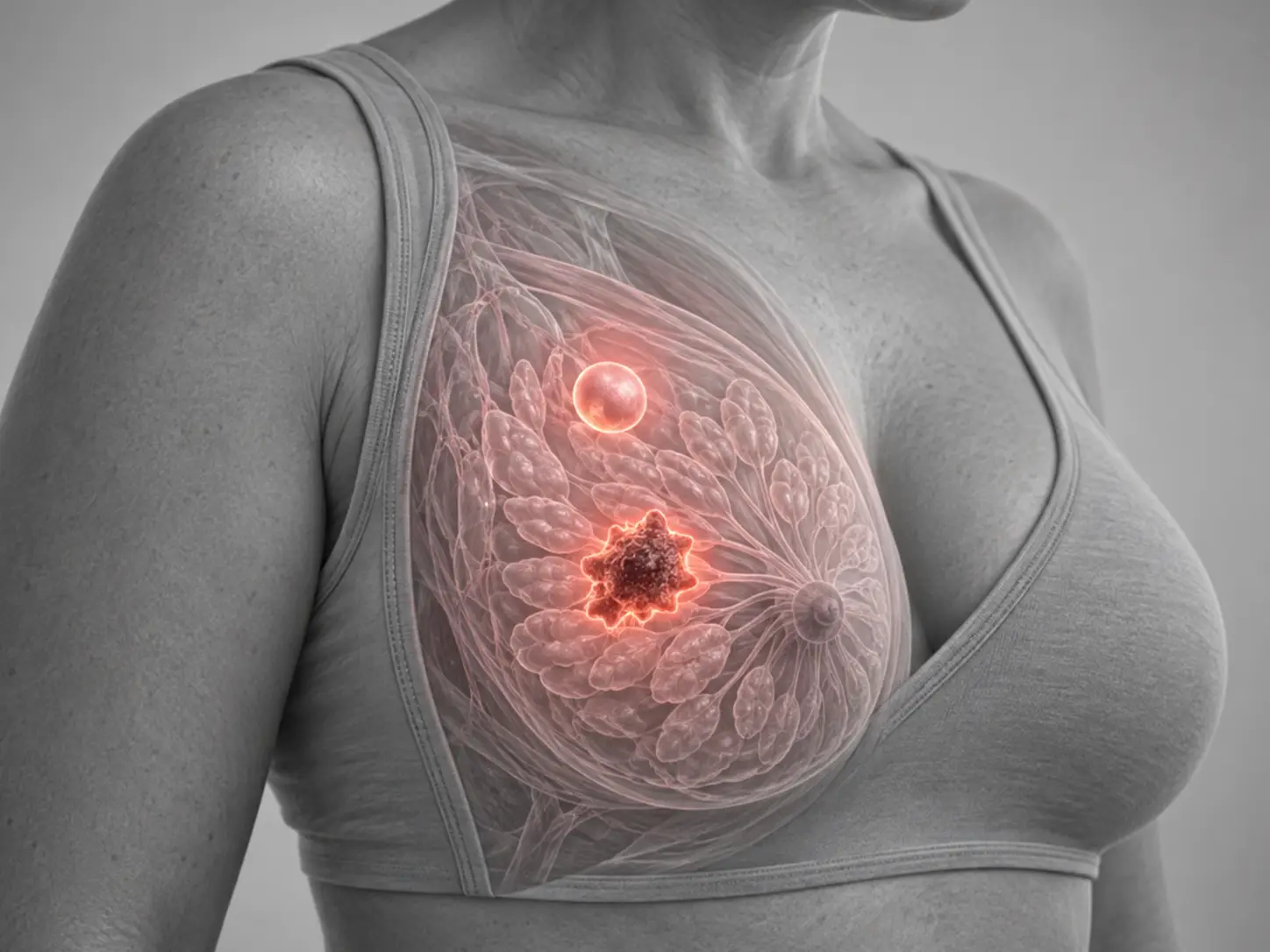
WHAT IS BREAST SURGERY?
Breast surgery is used to diagnose and treat benign breast conditions, high-risk lesions, ductal carcinoma in situ (DCIS), and invasive breast cancer. Patients may be referred to a breast surgeon after discovering a lump, receiving an abnormal imaging result, developing nipple discharge or skin changes, or receiving an abnormal biopsy result.
The appropriate operation depends on the diagnosis, imaging and biopsy findings, tumor characteristics, breast anatomy, genetic risk, and the patient’s treatment goals. When breast cancer is diagnosed, surgery is often coordinated with medical oncology, radiation oncology, radiology, pathology, genetics, and plastic surgery as appropriate.
Compassion Surgical offers individualized breast surgery, including:
- Nipple-Sparing Mastectomy – removes the breast tissue while preserving the breast skin, nipple, and areola in appropriately selected patients
- Simple or Total Mastectomy – removes the breast tissue, nipple, and areola
- Skin-Sparing Mastectomy – removes the breast tissue, nipple, and areola while preserving most of the breast skin for reconstruction
- Lumpectomy or Partial Mastectomy – removes the tumor or abnormal tissue along with a margin of surrounding breast tissue while preserving the remainder of the breast
- Excisional Breast Biopsy – removes an abnormal area for definitive examination when additional tissue is needed for diagnosis
- Sentinel Lymph Node Biopsy – removes and examines the first lymph node or nodes most likely to receive drainage from a breast cancer
- Axillary Lymph Node Dissection – removes a larger group of underarm lymph nodes when clinically indicated
- Level I Oncoplastic Tissue Rearrangement – reshapes the remaining breast tissue after lumpectomy to help preserve the breast’s natural contour
When breast reconstruction is desired, the breast surgeon coordinates the operative plan with a plastic surgeon.
COMMON REASONS FOR BREAST SURGERY
Breast Cancer
Surgery is an important part of treatment for many patients with breast cancer. Depending on the tumor’s size, location, biology, stage, response to any preoperative treatment, and the patient’s preferences, surgery may involve lumpectomy or mastectomy. Lymph node evaluation may also be recommended to help determine whether cancer has spread beyond the breast.
Some patients receive chemotherapy, targeted therapy, or other systemic treatment before surgery. Others undergo surgery first. The sequence of treatment is individualized by the multidisciplinary cancer team.
Ductal Carcinoma in Situ
DCIS is a noninvasive breast cancer in which abnormal cells are confined to the milk ducts. Treatment commonly includes lumpectomy or mastectomy, depending on the size and distribution of the abnormal area and the patient’s individual circumstances. Radiation therapy may be recommended following lumpectomy.
High-Risk Breast Lesions
Certain biopsy findings, including atypical ductal hyperplasia and selected other high-risk lesions, may require surgical excision because a nearby cancer can sometimes be found when additional tissue is examined.
Lobular carcinoma in situ and other high-risk findings do not always require surgery. Management may include additional imaging, surveillance, medication to reduce future breast cancer risk, surgical excision, or a combination of these approaches, depending on the specific pathology and whether the imaging and biopsy findings are consistent.
Benign Breast Lumps and Abnormal Imaging
Most benign breast conditions do not require surgery. Surgical excision may be recommended when a mass is enlarging, symptomatic, difficult to diagnose with imaging and needle biopsy, or when the imaging and pathology results do not agree.
Nipple Discharge and Recurrent Infections
Persistent or bloody nipple discharge may require additional imaging, biopsy, or surgical removal of the involved breast duct. Recurrent breast infections or abscesses may also require drainage or surgical treatment when they do not resolve with nonsurgical care.
Inherited or Elevated Breast Cancer Risk
Patients with certain inherited genetic variants, such as BRCA1 or BRCA2, or a particularly strong family history may consider risk-reducing mastectomy. This is a personal decision made after careful evaluation of the patient’s individual cancer risk, genetic counseling, available surveillance options, and reconstructive preferences.
WHAT SHOULD I EXPECT AFTER BREAST SURGERY?
Many breast operations are performed on an outpatient basis, although some patients undergoing mastectomy, reconstruction, or more extensive lymph node surgery may stay overnight or longer.
Recovery varies according to the procedure. Patients undergoing lumpectomy or sentinel lymph node biopsy often return to many routine activities within one to two weeks. Recovery following mastectomy, axillary lymph node dissection, or breast reconstruction generally takes longer.
Temporary soreness, swelling, bruising, numbness, or limited arm movement may occur. Some patients will have a surgical drain after mastectomy or lymph node surgery and will receive instructions for drain and incision care. The surgeon will provide individualized guidance regarding pain control, lifting restrictions, arm exercises, driving, work, and other activities.
A postoperative appointment is generally scheduled within one to two weeks to evaluate healing and review the pathology results. At that visit, the surgeon will discuss whether any additional surgery, oncology treatment, surveillance, or reconstructive care is needed.
Potential risks include bleeding, infection, fluid accumulation, changes in breast appearance or sensation, wound-healing problems, arm stiffness, and lymphedema following lymph node surgery. The risks specific to the planned procedure will be discussed before surgery.
PERSONALIZED SURGICAL CARE FOR BREAST DISEASE
If you have received an abnormal mammogram, discovered a breast lump, been diagnosed with a high-risk lesion or breast cancer, or would like to discuss an inherited cancer risk, schedule a consultation at Compassion Surgical.
We offer individualized breast-conserving surgery, mastectomy, lymph node evaluation, and oncoplastic techniques based on each patient’s diagnosis, anatomy, treatment goals, and personal preferences.