
WHAT IS COLON SURGERY?
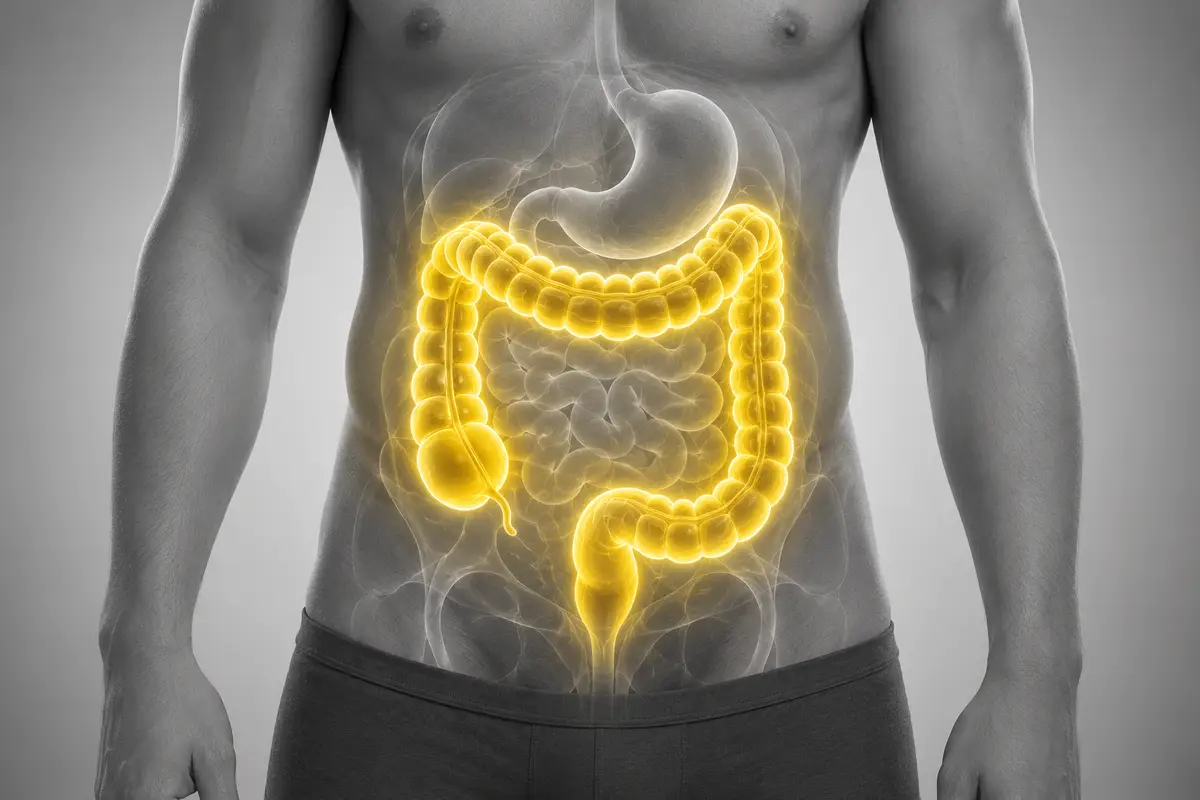
The colon is the longest portion of the large intestine. It absorbs water and electrolytes from partially digested food and moves the remaining waste toward the rectum for elimination.
Colon surgery may be necessary to treat cancer, diverticulitis, inflammatory bowel disease, large or unresectable polyps, bowel obstruction, perforation, uncontrolled bleeding, or certain inherited cancer syndromes. The operation most commonly involves removing the affected portion of the colon and reconnecting the healthy ends of the intestine.
At Compassion Surgical, colon surgery may be performed using robotic-assisted, laparoscopic, or open techniques. The most appropriate approach depends on the diagnosis, location and extent of disease, previous abdominal operations, urgency of the condition, and the patient’s overall health.
Types of colon surgery include:
- Segmental or Partial Colectomy – removes the diseased portion of the colon
- Right Hemicolectomy – removes the right side of the colon
- Left Hemicolectomy – removes the left side of the colon
- Sigmoid Colectomy – removes the sigmoid colon, commonly performed for sigmoid colon cancer or complicated diverticulitis
- Subtotal Colectomy – removes most of the colon while preserving a portion of the colon or rectum
- Total Abdominal Colectomy – removes the entire colon while preserving the rectum
- Proctocolectomy – removes the colon and rectum in selected patients with extensive inflammatory bowel disease, hereditary conditions, or other complex colorectal disease
COMMON REASONS FOR COLON SURGERY
Colon Cancer
Surgery is the primary treatment for many localized colon cancers. The operation generally removes the portion of the colon containing the tumor, an appropriate margin of healthy tissue, and nearby lymph nodes.
The extent of colon removed is determined primarily by the tumor’s location, blood supply, lymphatic drainage, and whether there are additional areas of disease—not simply by the cancer’s stage. Some patients may also require chemotherapy or other treatment before or after surgery.
Diverticulitis
Diverticulitis occurs when small pouches in the colon, called diverticula, become inflamed or infected. Most uncomplicated episodes can be treated without surgery.
Surgery may be recommended for complications such as perforation, abscess, fistula, obstruction, or stricture. Elective surgery may also be considered for recurrent or persistent symptoms after an individualized discussion of the severity, frequency, and effect of the episodes on the patient’s quality of life.
Inflammatory Bowel Disease
Crohn’s disease and ulcerative colitis are two different forms of inflammatory bowel disease.
Surgery for Crohn’s disease may be necessary to treat obstruction, fistula, abscess, perforation, bleeding, or disease that does not respond adequately to medical therapy. Surgery can remove a severely affected segment but does not cure Crohn’s disease, which can recur elsewhere in the digestive tract.
Surgery for ulcerative colitis may be recommended when medications are no longer effective, dysplasia or cancer develops, or serious complications occur. Because ulcerative colitis is limited to the colon and rectum, removing those organs eliminates the diseased tissue, although the operation and reconstruction may require more than one stage.
Bowel Obstruction or Perforation
A blocked or perforated colon may be caused by cancer, inflammation, scar tissue, diverticulitis, twisting of the bowel, or other conditions. Some obstructions can initially be managed without surgery, while a complete obstruction, perforation, compromised blood supply, or worsening illness may require urgent surgery.
Uncontrolled Bleeding
Most lower gastrointestinal bleeding is treated without colon removal. Colectomy may be necessary when severe bleeding cannot be controlled through endoscopy, interventional radiology, medication, or other less invasive treatments and the source can be appropriately identified.
Large or Concerning Colon Polyps
Most colon polyps can be removed during colonoscopy. Surgery may be recommended when a polyp is too large or difficult to remove endoscopically, has concerning cellular changes, or is found to contain invasive cancer.
Inherited Colorectal Cancer Syndromes
Patients with familial adenomatous polyposis may be advised to undergo risk-reducing colon surgery because of their high lifetime risk of colorectal cancer.
Patients with Lynch syndrome require individualized counseling and close surveillance. The extent and timing of surgery depend on whether cancer is present, the involved gene, previous polyps or cancers, age, overall health, and personal preferences.
HOW IS ROBOTIC OR LAPAROSCOPIC COLECTOMY PERFORMED?
Colon surgery is performed under general anesthesia at an accredited surgical facility. During robotic-assisted or laparoscopic colectomy, the surgeon operates through several small abdominal incisions using a camera and specialized instruments.
The affected portion of the colon is separated from the surrounding tissue and blood supply and then removed. Whenever appropriate, the healthy ends of the intestine are reconnected in a procedure called an anastomosis.
In some circumstances, the safest option is to create an ostomy, bringing the intestine through an opening in the abdominal wall so waste can empty into an external pouch. An ostomy may be temporary or permanent, depending on the diagnosis, health of the remaining intestine, and circumstances of the operation.
Some patients require an open operation through a larger incision. An open approach may be recommended for extensive disease, large tumors, emergency surgery, significant scar tissue, or situations in which minimally invasive surgery cannot be completed safely.
WHAT SHOULD I EXPECT AFTER COLON SURGERY?
The length of surgery and hospitalization varies according to the operation and the patient’s condition. Many patients remain in the hospital for several days while pain is controlled, bowel function begins to return, and they are able to walk, drink, and eat safely.
Temporary fatigue, abdominal soreness, decreased appetite, and changes in bowel habits are common. Patients receive individualized instructions regarding diet, incision care, bowel function, medications, lifting, driving, and return to work.
Many patients gradually resume routine activities over several weeks, but recovery may take longer after extensive or emergency surgery. A postoperative appointment is generally scheduled within one to two weeks, with additional visits arranged as needed to review pathology and recovery.
Potential risks include bleeding, infection, blood clots, injury to nearby organs, temporary slowing of the intestines, bowel obstruction, incisional hernia, leakage from the intestinal connection, and the need for a temporary or permanent ostomy. The risks specific to the planned operation will be reviewed before surgery.
PERSONALIZED SURGICAL CARE FOR COLON DISEASE
If you have been diagnosed with colon cancer, complicated diverticulitis, inflammatory bowel disease, a concerning colon polyp, or another condition that may require colon surgery, schedule a consultation at Compassion Surgical.
We will review your diagnosis, imaging, endoscopy and pathology results, previous treatments, and overall health to determine whether surgery is appropriate and whether a robotic-assisted, laparoscopic, or open approach offers the safest and most effective treatment.