
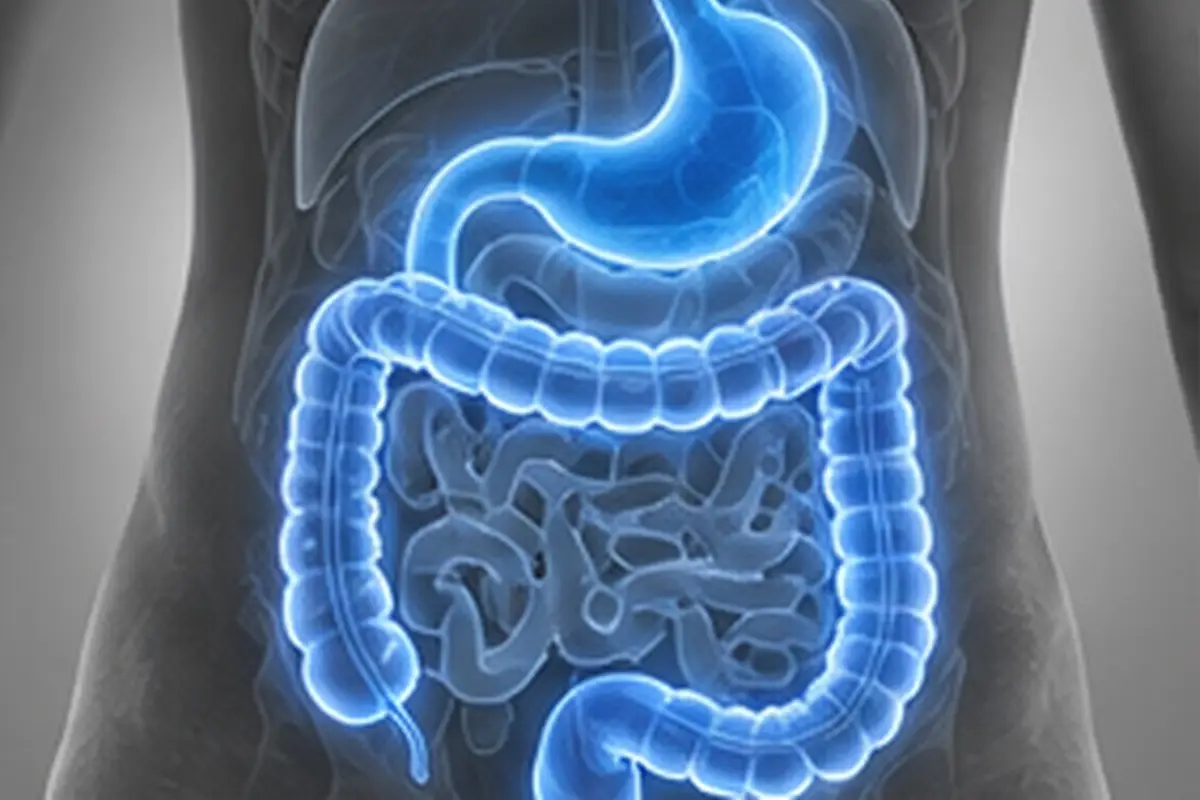
CONVENIENT LOCAL ACCESS TO ENDOSCOPIC CARE
Compassion Surgical provides upper endoscopy and colonoscopy at Ocotillo Surgery Center, located at 3920 S. Rome Street in Gilbert, Arizona. Dr. Albert Amini and Dr. Weston Stover perform these procedures to screen for colorectal cancer, investigate digestive symptoms, monitor certain medical conditions, and treat selected abnormalities.
Both procedures use a thin, flexible camera to examine the digestive tract. When appropriate, Dr. Amini can obtain tissue samples, remove colon polyps, or perform other limited treatments during the same procedure.
WHAT IS A COLONOSCOPY?
A colonoscopy examines the lining of the colon and rectum. It can identify colorectal cancer, precancerous polyps, inflammation, bleeding, and other abnormalities. Polyps can often be removed during the procedure before they have an opportunity to become cancerous.
Colonoscopy may be performed for colorectal cancer screening or to evaluate:
- Rectal bleeding or blood in the stool
- Unexplained iron-deficiency anemia
- Persistent changes in bowel habits
- Chronic diarrhea or constipation
- Unexplained abdominal pain
- Abnormal imaging or stool-test results
- A personal history of colorectal polyps or cancer
- Inflammatory bowel disease
WHEN SHOULD COLORECTAL CANCER SCREENING BEGIN?
Average-risk adults should generally begin colorectal cancer screening at age 45. Colonoscopy is one screening option, but stool-based tests and other methods are also available.
Patients may need to begin screening earlier or undergo colonoscopy more frequently if they have:
- A personal history of colorectal polyps or cancer
- A parent, sibling, or child with colorectal cancer or advanced polyps
- Inflammatory bowel disease involving the colon
- A hereditary cancer syndrome such as Lynch syndrome or familial adenomatous polyposis
- A previous abnormal colorectal screening test
Screening recommendations after age 75 are individualized according to health, prior screening history, and personal preferences. A colonoscopy performed to investigate symptoms is considered diagnostic rather than screening, regardless of age.
WHAT HAPPENS DURING EGD OR COLONOSCOPY?
Before the procedure, the care team reviews the patient’s health history, medications, allergies, and anesthesia considerations. Most patients receive sedation and remain comfortable throughout the examination.
During an EGD, the endoscope is gently passed through the mouth and into the upper digestive tract. During a colonoscopy, the endoscope is introduced through the rectum and guided through the colon. The camera transmits detailed images to a monitor while the physician examines the tissue.
Biopsies or polyps may be removed through instruments passed inside the endoscope. These samples are sent to a pathology laboratory when indicated.
The examination commonly takes less than an hour, although the total visit is longer because of preparation and recovery from sedation.
HOW SHOULD I PREPARE?
Patients undergoing EGD will receive instructions about when to stop eating and drinking. Colonoscopy requires a bowel preparation to clear the colon so its lining can be examined accurately. Following every preparation instruction is important; inadequate preparation may obscure polyps and require the procedure to be repeated.
Certain medications—particularly blood thinners, diabetes medications, and weight-management medications—may require special instructions. Patients should not stop a prescribed medication unless directed by the appropriate healthcare professional.
Because sedation is commonly used, patients must arrange for a responsible adult to drive them home and should not drive, work, drink alcohol, or make important decisions for the remainder of the day.
WHAT CAN I EXPECT AFTERWARD?
Patients are monitored briefly after the procedure and generally return home the same day. Temporary bloating, gas, throat irritation, or mild abdominal cramping may occur.
Dr. Amini will discuss the initial findings after the procedure. Biopsy and pathology results take additional time. Follow-up recommendations depend on the findings, quality of the bowel preparation, pathology results, and the patient’s medical and family history.
Patients should seek prompt medical attention for severe or worsening abdominal or chest pain, persistent vomiting, fever, difficulty breathing, black stools, dizziness, or significant rectal bleeding.
WHAT ARE THE POSSIBLE RISKS?
EGD and colonoscopy are generally safe, but possible complications include:
- Reaction to sedation
- Bleeding, particularly after biopsy or polyp removal
- Perforation or a tear in the digestive tract
- Aspiration
- Infection
- Incomplete examination
- Missed abnormalities
The physician will review the benefits, alternatives, and risks before the procedure.
SCHEDULE YOUR PROCEDURE IN GILBERT
If you are due for colorectal cancer screening or need evaluation of a digestive symptom, contact Compassion Surgical to schedule a consultation or endoscopic procedure with Dr. Albert Amini or Dr. Weston Stover at Ocotillo Surgery Center in Gilbert.