
WHAT IS GALLBLADDER REMOVAL SURGERY?
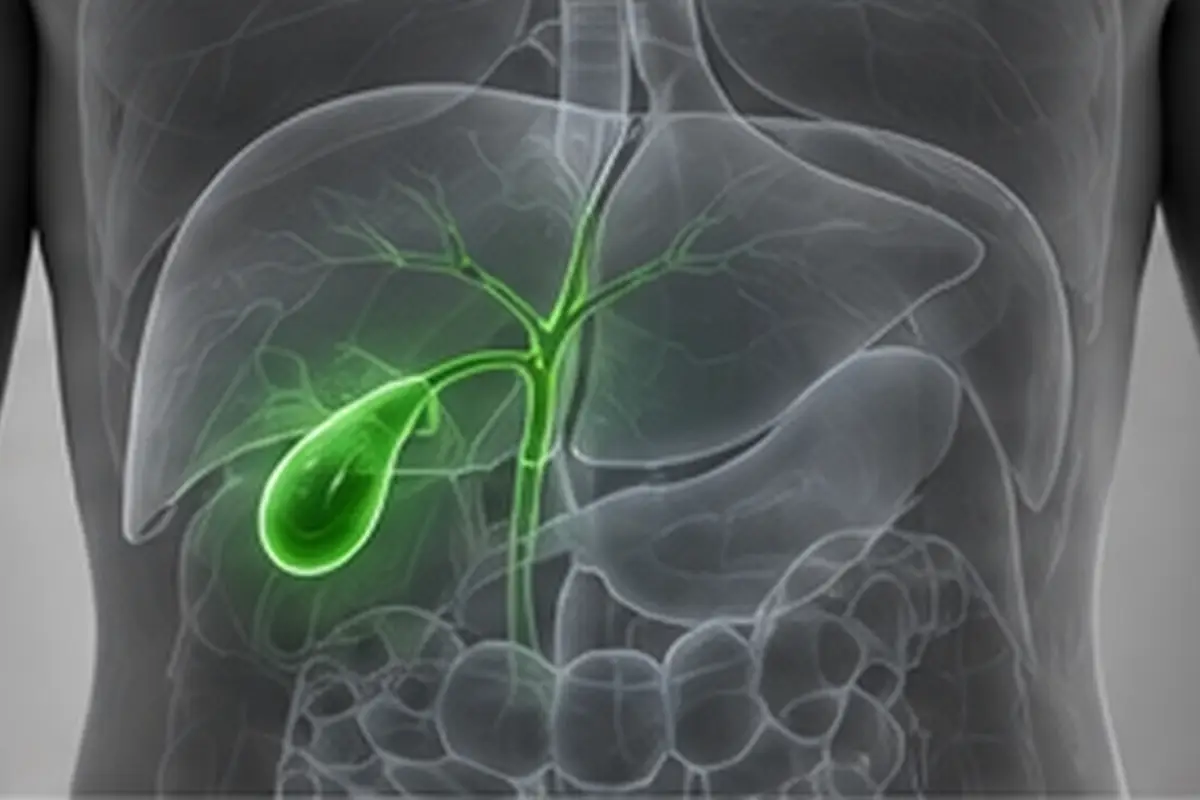
The gallbladder is a small, pear-shaped organ located beneath the liver. It stores and concentrates bile, a digestive fluid produced by the liver that helps the body digest fats. When food enters the small intestine, the gallbladder releases bile through the bile ducts.
Gallstones and other gallbladder conditions can block the normal flow of bile and cause pain, inflammation, infection, or pancreatitis. When gallbladder symptoms recur or complications develop, removal of the gallbladder may be recommended.
A cholecystectomy is an operation to remove the gallbladder. Most patients can digest food and live normally without it because bile continues to flow directly from the liver into the small intestine.
Compassion Surgical offers minimally invasive laparoscopic and robotic-assisted cholecystectomy. The appropriate surgical approach depends on the diagnosis, anatomy, severity of inflammation, previous operations, and the patient’s overall health.
COMMON REASONS FOR GALLBLADDER SURGERY
Symptomatic Gallstones
Gallstones form when substances in bile, most commonly cholesterol or bilirubin, harden inside the gallbladder. Most gallstones cause no symptoms and do not require treatment.
Surgery may be recommended when gallstones cause recurring episodes of upper abdominal pain, often after eating. The pain may be felt beneath the right rib cage or in the upper middle abdomen and may radiate to the back or right shoulder. Nausea and vomiting can also occur.
Gallstones cause symptoms when they obstruct the gallbladder outlet or bile ducts—not because they are passing through the small intestine.
Acute or Chronic Cholecystitis
Cholecystitis is inflammation of the gallbladder, usually caused by a gallstone blocking the cystic duct. Infection may sometimes develop in the inflamed gallbladder.
Symptoms may include persistent right upper abdominal pain, tenderness, nausea, vomiting, and fever. Acute cholecystitis often requires hospitalization and timely gallbladder removal. Repeated episodes can cause chronic inflammation and scarring.
Gallstone Pancreatitis
A gallstone can leave the gallbladder and temporarily block the shared drainage area of the bile duct and pancreatic duct. This can cause inflammation of the pancreas, known as gallstone pancreatitis.
Patients may require hospitalization and treatment of the pancreatitis before undergoing cholecystectomy. In many cases, gallbladder removal is recommended during the same hospitalization or soon afterward to reduce the risk of another episode.
Gallstones in the Common Bile Duct
Gallstones can enter the common bile duct and cause jaundice, bile duct infection, or pancreatitis. These stones may need to be removed through an endoscopic procedure called ERCP before or after gallbladder surgery.
Gallbladder Polyps
Most small gallbladder polyps can be monitored. Surgery may be recommended when a polyp is sufficiently large, is growing, causes symptoms, or has characteristics associated with an increased risk of cancer.
Functional Gallbladder Disorder
Some patients have typical gallbladder pain without visible stones but have abnormal gallbladder emptying on specialized testing. Cholecystectomy may be considered after other causes of the symptoms have been evaluated and the clinical findings are consistent with a functional gallbladder disorder.
Gallbladder Cancer
Gallbladder cancer is rare. Its treatment depends on how deeply the cancer has invaded and whether it has spread beyond the gallbladder. Very early cancers may be adequately treated by cholecystectomy, while more advanced but still removable cancers may require additional liver tissue and nearby lymph nodes to be removed.
Suspected gallbladder cancer requires careful imaging, staging, and surgical planning. It should not be approached as a routine gallbladder removal.
HOW IS GALLBLADDER REMOVAL PERFORMED?
Cholecystectomy is performed under general anesthesia at an accredited surgical facility. During laparoscopic or robotic-assisted surgery, the surgeon operates through several small abdominal incisions using a camera and specialized instruments.
The gallbladder is carefully separated from the bile duct, blood supply, and liver and then removed through one of the incisions. In selected cases, imaging of the bile ducts may be performed during surgery to evaluate their anatomy or look for bile duct stones.
WHAT TO EXPECT AFTER GALLBLADDER SURGERY
Most minimally invasive cholecystectomies are completed in approximately one to two hours, although the time varies according to the complexity of the operation. Many patients go home the same day, while patients with significant inflammation, infection, pancreatitis, other medical conditions, or an open operation may remain in the hospital longer.
Temporary abdominal soreness, incisional discomfort, fatigue, bloating, or shoulder discomfort from the gas used during surgery may occur. Patients are encouraged to walk and gradually resume activity according to their surgeon’s instructions.
Many patients return to desk work and light activities within one to two weeks. Recovery may take longer following a complicated or open operation. Heavy lifting and strenuous activity should be avoided until cleared by the surgeon.
Most patients can gradually return to their usual diet. Some experience temporary loose stools, bloating, or difficulty tolerating high-fat meals while the digestive system adjusts.
A postoperative appointment is generally scheduled within one to two weeks to evaluate healing and review any pathology results.
WHAT ARE THE POTENTIAL RISKS?
Cholecystectomy is a commonly performed operation, but every surgical procedure has risks. Potential complications include:
- Bleeding
- Infection
- Blood clots
- Reactions to anesthesia
- Bile leakage
- Injury to the common bile duct
- Injury to the liver, intestine, or nearby blood vessels
- Retained stones in the bile duct
- Incisional hernia
- Conversion to an open operation
- Persistent digestive or abdominal symptoms
The risks specific to each patient will be reviewed before surgery.
GALLBLADDER SURGERY FAQ
What are the side effects of having the gallbladder removed?
Most patients digest food normally after gallbladder removal. Temporary loose stools, bloating, gas, nausea, or difficulty tolerating fatty foods can occur during recovery. These symptoms usually improve over time.
Fever, jaundice, worsening abdominal pain, persistent vomiting, increasing redness or drainage from an incision, chest pain, or difficulty breathing are not routine side effects and should be reported promptly.
Will I lose weight after gallbladder surgery?
Cholecystectomy is not a weight-loss procedure, and meaningful long-term weight loss should not be expected. Some patients temporarily eat less or lose a small amount of weight during recovery, but the gallbladder’s removal does not prevent the body from digesting and absorbing calories.
How do I know if I need gallbladder surgery?
Not everyone with gallstones needs surgery. Patients with gallstones that cause no symptoms can often be observed.
Surgery may be recommended for recurring gallbladder attacks, acute or chronic cholecystitis, gallstone pancreatitis, bile duct stones, selected gallbladder polyps, or other gallbladder conditions. Because symptoms such as indigestion, bloating, heartburn, and gas can have many causes, the decision should be based on the full clinical evaluation rather than those symptoms alone.
Can I live normally without a gallbladder?
Yes. The liver continues to produce bile after the gallbladder is removed. Instead of being stored in the gallbladder, bile flows directly into the small intestine. Most patients return to their usual diet and activities after recovery.
EXPERIENCED GALLBLADDER SURGERY IN ARIZONA
If you have recurring upper abdominal pain, symptomatic gallstones, cholecystitis, gallstone pancreatitis, or another gallbladder condition, schedule a consultation at Compassion Surgical.
Our board-certified surgeons provide personalized evaluation and minimally invasive gallbladder surgery using laparoscopic or robotic-assisted techniques when appropriate.