
HIATAL HERNIA SURGERY
Compassion Surgical provides advanced surgical evaluation and treatment for hiatal hernias and gastroesophageal reflux disease. Dr. Albert Amini offers robotic-assisted and laparoscopic hiatal hernia repair using an individualized approach based on each patient’s anatomy, symptoms, diagnostic testing, and previous treatment.
Many small hiatal hernias cause no symptoms and do not require surgery. When a hernia causes persistent reflux, difficulty swallowing, chest or upper abdominal discomfort, regurgitation, early fullness, shortness of breath, bleeding, or other complications, surgical repair may be considered.
WHAT IS A HIATAL HERNIA?
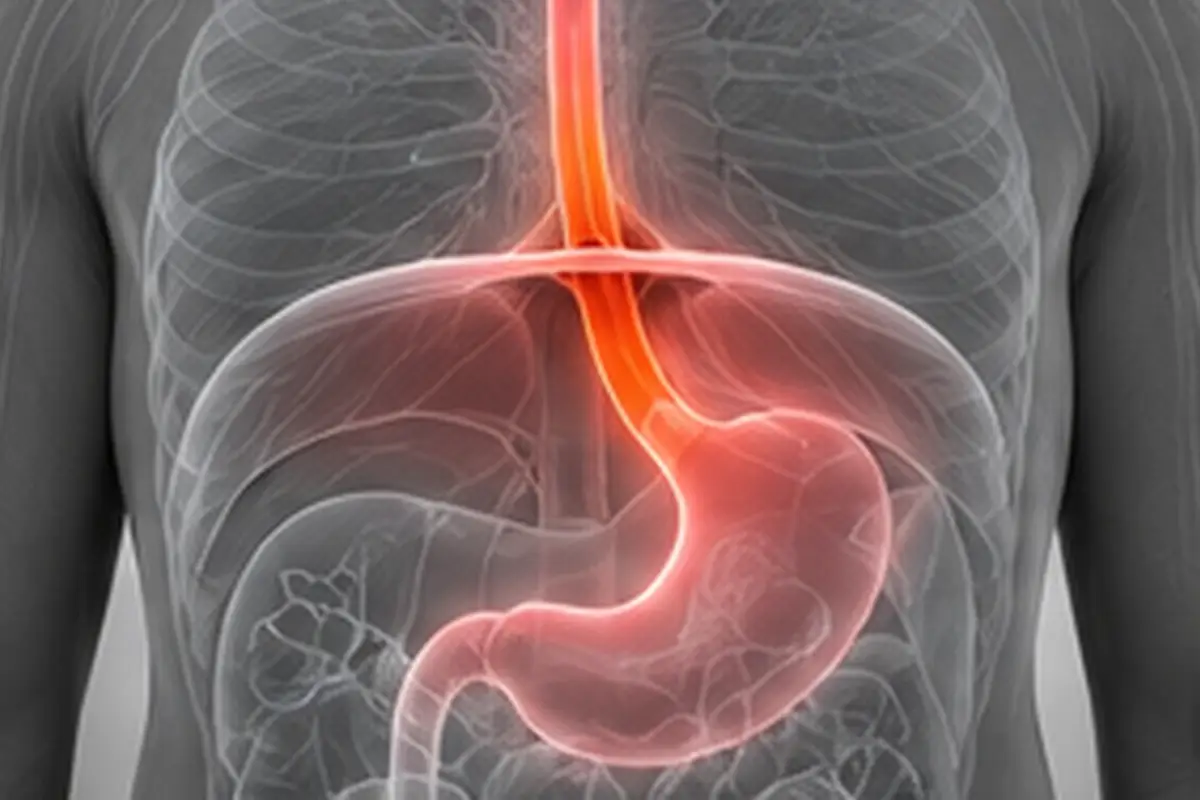
A hiatal hernia occurs when part of the stomach moves through the opening in the diaphragm where the esophagus passes from the chest into the abdomen.
The two primary types are:
- Sliding Hiatal Hernia – the junction between the esophagus and stomach moves above the diaphragm. This is the most common type and is frequently associated with gastroesophageal reflux disease.
- Paraesophageal Hernia – part of the stomach moves into the chest beside the esophagus. Larger paraesophageal hernias may cause difficulty swallowing, chest pressure, early fullness, anemia from chronic bleeding, shortness of breath, or obstruction.
Not every symptom attributed to a hiatal hernia is caused by the hernia itself. A complete evaluation helps determine whether surgery is likely to provide meaningful benefit.
WHEN IS HIATAL HERNIA SURGERY CONSIDERED?
Surgery may be considered for patients with:
- Persistent GERD symptoms despite appropriate lifestyle changes and medication
- Regurgitation or other reflux symptoms not adequately controlled with medication
- Difficulty swallowing related to the hernia
- A large or symptomatic paraesophageal hernia
- Chronic bleeding, ulceration, or anemia associated with the hernia
- Obstruction or twisting of the stomach
- Progressive symptoms affecting eating, breathing, or quality of life
Before surgery, testing may include upper endoscopy, a contrast swallow study, CT imaging, esophageal manometry, or pH testing. The necessary tests depend on the patient’s symptoms and the type of hernia.
HOW IS ROBOTIC HIATAL HERNIA REPAIR PERFORMED?
Robotic-assisted hiatal hernia repair is performed under general anesthesia through several small abdominal incisions. The stomach is returned to its normal position below the diaphragm, and the enlarged opening in the diaphragm is repaired.
When significant reflux is present, an anti-reflux procedure may be performed during the same operation. Depending on the patient’s anatomy and testing, this may include fundoplication as well.
Robotic and laparoscopic techniques may provide smaller incisions, less postoperative discomfort, and a shorter recovery than open surgery for appropriately selected patients. An open operation may occasionally be necessary for particularly complex or recurrent hernias.
PERSONALIZED HIATAL HERNIA CARE
The decision to repair a hiatal hernia should be based on more than its presence on an imaging study. During your consultation, Dr. Amini will review your symptoms, imaging, endoscopy findings, previous treatment, and esophageal testing to determine whether surgery is appropriate and which procedure best fits your condition.
REFERRALS WELCOME
Compassion Surgical welcomes referrals from primary care physicians, gastroenterologists, pulmonologists, cardiologists, and other healthcare professionals. We provide timely evaluation, clear communication, and coordinated care for patients with symptomatic hiatal hernias, paraesophageal hernias, and medically refractory GERD.