
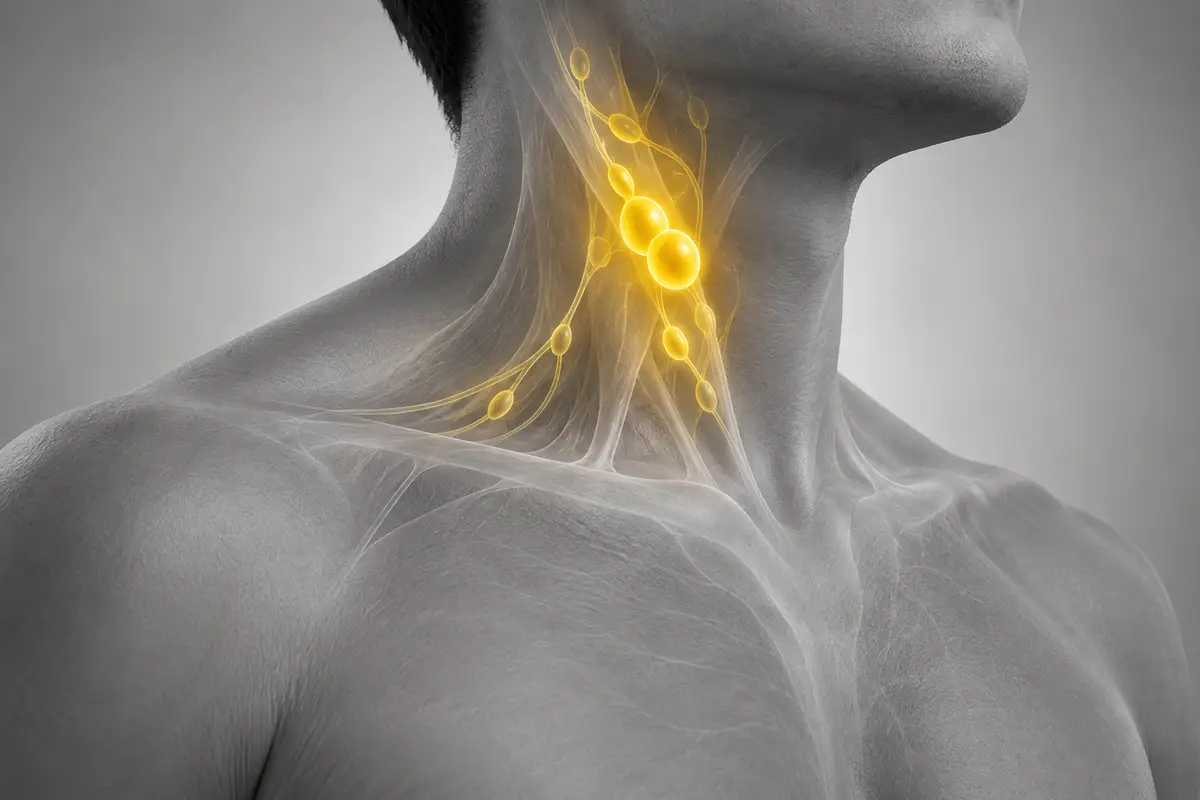
WHAT IS LYMPH NODE SURGERY?
Lymph nodes are small structures located throughout the body that filter lymphatic fluid and contain immune cells that help the body recognize and respond to infection and disease.
Lymph nodes may become enlarged because of infection, inflammation, an immune-system condition, or cancer. Cancer cells can sometimes travel from a primary tumor to nearby lymph nodes through lymphatic channels. Examining those nodes can help establish a diagnosis, determine the stage of cancer, and guide additional treatment.
Compassion Surgical offers lymph-node biopsy and selected lymph-node surgery for patients with unexplained enlarged lymph nodes, breast cancer, melanoma, and other appropriate conditions.
Procedures include:
- Excisional Lymph Node Biopsy – removes an entire lymph node for examination by a pathologist
- Incisional Lymph Node Biopsy – removes a portion of a lymph node when complete removal is not appropriate
- Sentinel Lymph Node Biopsy – identifies and removes the first lymph node or nodes most likely to receive drainage from a cancer
- Axillary Lymph Node Surgery – evaluates or removes lymph nodes in the underarm when indicated for breast cancer or other malignancies
- Selected Regional Lymph Node Dissection – removes a defined group of lymph nodes when clinically necessary as part of cancer treatment
WHEN IS LYMPH NODE SURGERY NEEDED?
Unexplained Enlarged Lymph Nodes
Most enlarged lymph nodes are caused by infection or inflammation and do not require surgery. A biopsy may be recommended when a node remains enlarged, continues to grow, has concerning imaging characteristics, or cannot be adequately diagnosed through blood tests or needle biopsy.
Suspected Lymphoma
When lymphoma is suspected, an excisional biopsy may be recommended because removing an intact lymph node often provides more information about its internal structure than a small needle sample.
Lymphoma is generally treated by hematology and medical oncology rather than by removing all affected lymph nodes. The surgeon’s role is usually to obtain enough tissue for an accurate diagnosis.
Breast Cancer
Sentinel lymph node biopsy may be performed with lumpectomy or mastectomy to determine whether breast cancer has spread to the regional lymph nodes. Removing only the sentinel nodes can provide important staging information while reducing the risk of complications compared with removing a larger number of lymph nodes.
An axillary lymph node dissection may be recommended in selected patients with more extensive lymph-node involvement.
Melanoma
Sentinel lymph node biopsy may be recommended for selected patients with melanoma based on the tumor’s depth and other pathological features. The results can help determine the cancer’s stage and guide surveillance or additional treatment.
Metastatic Cancer
A lymph-node biopsy may be needed when imaging identifies a concerning node or when determining the origin or extent of cancer will affect treatment. Removal of a larger group of nodes is recommended only when it provides an appropriate staging, treatment, or symptom-control benefit.
HOW IS LYMPH NODE SURGERY PERFORMED?
The procedure depends on the location of the lymph node and the reason for its removal.
A superficial excisional lymph-node biopsy may be performed through a small incision using local anesthesia with sedation or general anesthesia. The surgeon removes the node and sends it to a pathologist for examination. Additional specialized testing may be performed when lymphoma, infection, or another specific condition is suspected.
During sentinel lymph node biopsy, a radioactive tracer, dye, or both are administered near the tumor. The surgeon uses the drainage pattern to identify and remove the first lymph node or nodes most likely to contain cancer cells.
A regional lymph-node dissection removes a larger group of nodes through an incision near the involved lymph-node basin. A surgical drain may be placed to reduce fluid accumulation.
Most lymph-node biopsies are outpatient procedures. More extensive dissections may require a longer operation, additional recovery, or an overnight hospital stay.
WHAT SHOULD I EXPECT AFTER LYMPH NODE SURGERY?
Recovery depends on the location and number of lymph nodes removed. After a limited biopsy, patients may experience temporary soreness, bruising, swelling, or numbness near the incision and can often return to routine activities within several days.
Recovery following sentinel-node biopsy or regional lymph-node dissection may take longer. Patients may receive instructions regarding incision or drain care, arm or leg movement, lifting restrictions, and exercises to maintain mobility.
A postoperative appointment is generally scheduled within one to two weeks to evaluate healing and review the pathology results. Those results may determine whether additional imaging, surgery, medical oncology treatment, radiation therapy, or surveillance is recommended.
WHAT ARE THE POTENTIAL RISKS?
Potential complications include:
- Bleeding or hematoma
- Infection
- Fluid accumulation or seroma
- Temporary or persistent numbness
- Injury to nearby nerves, muscles, or blood vessels
- Shoulder stiffness following axillary surgery
- Delayed wound healing
- Lymphedema
- Reactions to anesthesia
- Need for additional biopsy or treatment
The likelihood of complications generally increases when more lymph nodes are removed.
LYMPH NODE SURGERY FAQs
Does an enlarged lymph node mean I have cancer?
No. Infection and inflammation are common causes of enlarged lymph nodes. Evaluation may include a physical examination, blood tests, imaging, observation, or needle biopsy before surgical removal is considered.
Does removing lymph nodes weaken the immune system?
Removing one or a small number of lymph nodes does not usually weaken the body’s overall immune system. Hundreds of other lymph nodes and immune tissues remain throughout the body.
The more relevant concern is disruption of lymphatic drainage, which can cause swelling known as lymphedema. The risk depends on the location and number of lymph nodes removed, radiation treatment, and other patient-specific factors.
Does lymph-node surgery prevent cancer from spreading?
Lymph-node surgery can provide staging information and, in selected situations, help control cancer in a regional lymph-node basin. However, removing lymph nodes does not guarantee that cancer cannot spread elsewhere. Additional treatment recommendations depend on the tumor type, stage, pathology, and overall treatment plan.
How long does lymph-node surgery take?
The duration varies considerably. A superficial excisional biopsy may be relatively brief, while sentinel-node biopsy or regional lymph-node dissection may take longer, particularly when performed with another cancer operation.
PERSONALIZED EVALUATION OF ABNORMAL LYMPH NODES
If you have a persistent enlarged lymph node, an abnormal imaging result, or a cancer diagnosis requiring lymph-node evaluation, schedule a consultation at Compassion Surgical.
We will review your examination, imaging, previous biopsy results, and overall treatment plan to determine whether observation, needle biopsy, excisional biopsy, sentinel-node biopsy, or another approach is most appropriate.