
WHAT IS A PORT-A-CATH?
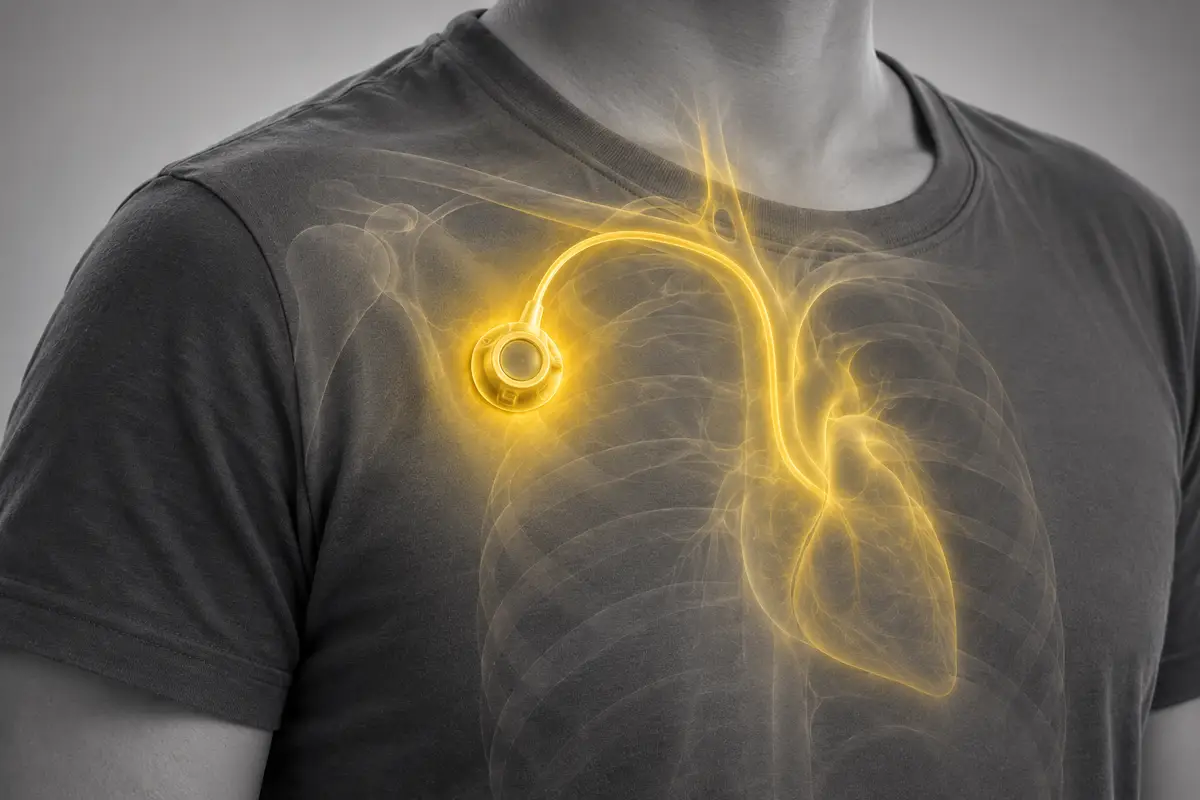
A port-a-cath, also called an implanted venous access port, is a small device placed completely beneath the skin to provide reliable access to the bloodstream. It consists of a reservoir, or port, connected to a thin catheter that enters a large central vein. The port is most commonly placed beneath the skin of the upper chest.
When treatment is needed, a specially designed non-coring needle is inserted through the skin into the port. This allows medications, intravenous fluids, blood products, or nutrition to be delivered without starting a new peripheral IV each time. Blood may also be drawn through the port when appropriate.
At Compassion Surgical, port placement is performed using imaging guidance to position the catheter safely and accurately.
WHY MIGHT I NEED A PORT-A-CATH?
Chemotherapy
Chemotherapy is one of the most common reasons for port placement. A port provides dependable venous access for repeated treatments and allows medications to be delivered into a large central vein. This can reduce repeated needle sticks and help protect smaller peripheral veins from irritation.
Long-Term Intravenous Medications
A port may be recommended for patients who need repeated or prolonged intravenous treatment, including certain antibiotics or other infused medications.
Blood Transfusions and Blood Draws
Ports may be used to administer blood products and, when appropriate, obtain blood samples. Whether a port can be used for a particular purpose depends on the device and the patient’s treatment plan.
Intravenous Nutrition
Patients who cannot receive adequate nutrition through the digestive tract may require parenteral nutrition delivered through a central venous access device.
A standard implanted port is not used for hemodialysis. Patients who require dialysis need a catheter or other form of vascular access specifically designed for high-volume blood flow.
HOW IS A PORT-A-CATH PLACED?
Port placement is usually performed as an outpatient procedure using local anesthesia with sedation or, in selected cases, general anesthesia.
The surgeon creates a small pocket beneath the skin of the upper chest for the port. Using ultrasound guidance, a catheter is introduced into a central vein—commonly the internal jugular vein—and advanced toward a large vein near the heart. Fluoroscopy or another imaging method may be used to confirm the catheter’s position.
The catheter is connected to the port, and both are secured beneath the skin. The incisions are then closed and covered with a dressing. Once the area heals, only a small raised area beneath the skin and a short scar are usually visible.
WHAT CAN I EXPECT AFTER PORT PLACEMENT?
Port placement generally takes approximately 30 – 60 minutes, followed by a brief recovery period before the patient returns home. Mild soreness, bruising, or swelling around the incision and port site is common for several days.
Most patients can resume light daily activities within a day or two. Heavy lifting, strenuous upper-body exercise, and activities that pull on the incision should be avoided until cleared by the surgeon. Your treatment team will explain when the port may first be used and how the incision should be cared for.
When the port is not being used regularly, it must be flushed according to the device manufacturer’s instructions and the treating facility’s protocol to help prevent blockage.
WHAT ARE THE POSSIBLE RISKS?
Port placement is generally safe, but possible risks include:
- Bleeding or bruising
- Infection
- Blood clot formation
- Catheter blockage, movement, or malfunction
- Injury to a nearby blood vessel
- Abnormal heart rhythm during catheter placement
- Collapsed lung, which is uncommon
- Catheter damage or separation
Patients should contact their care team for fever, increasing redness or swelling, drainage, worsening pain, swelling of the neck or arm, shortness of breath, or difficulty using the port.
PORT-A-CATH FAQs
Does the port remain outside my body?
No. An implanted port is placed completely beneath the skin. When it is not being accessed, there are no external tubes or dressings associated with the device after the incision has healed.
Does accessing a port hurt?
Patients may feel a brief needle stick when the port is accessed. A numbing cream may be applied beforehand if recommended by the treatment team.
Can I shower with a port?
Once the incision has healed and the port is not accessed with a needle, patients can generally shower normally. If the port is currently accessed, the dressing must be kept clean and dry according to the care team’s instructions.
How long can a port remain in place?
A port may remain in place for months or years if it continues to function properly and is still needed. When treatment is complete and the managing physician determines that central access is no longer necessary, the port can be removed during a minor outpatient procedure.
RELIABLE ACCESS FOR ONGOING TREATMENT
If your oncologist or another treating physician has recommended an implanted port, schedule a consultation with Compassion Surgical. Our surgeons can coordinate with your treatment team and provide safe, image-guided port placement for chemotherapy and other long-term intravenous therapies.