
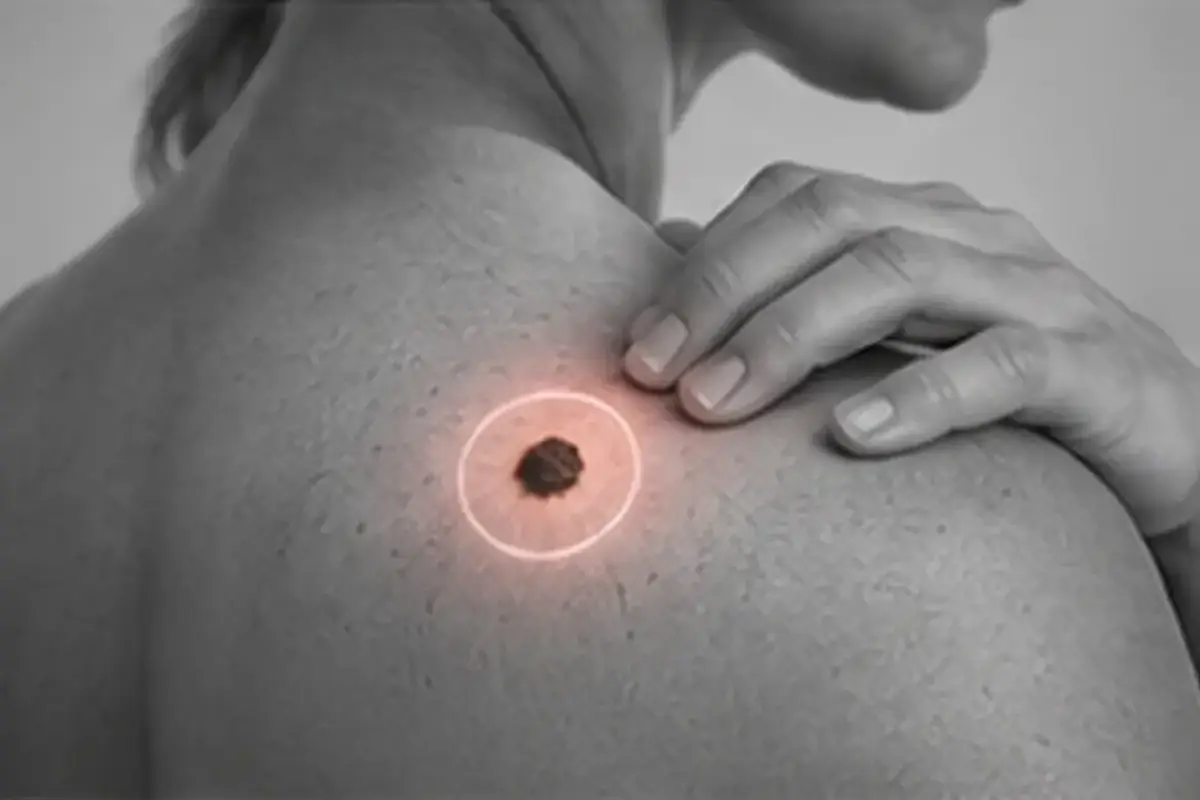
WHAT IS A SKIN LESION REMOVAL?
A skin lesion is an area of the skin that differs from the surrounding tissue in its appearance, texture, or growth pattern. Skin lesions include moles, skin tags, warts, cysts, seborrheic keratoses, and other benign growths. Some lesions may be precancerous or cancerous and require further evaluation.
Most benign skin lesions do not need to be removed unless they become painful, irritated, infected, repeatedly injured, or concerning in appearance. Some patients also choose removal because a lesion interferes with clothing, shaving, work, or normal daily activities.
At Compassion Surgical, our surgeons evaluate and remove appropriate skin and superficial soft-tissue lesions. The recommended procedure depends on the lesion’s size, location, depth, appearance, and suspected diagnosis. Patients who need comprehensive skin-cancer screening or specialized treatment may be referred to a dermatologist.
WHEN SHOULD A SKIN LESION BE EVALUATED?
A medical evaluation may be recommended for a lesion that:
- Is new or changing
- Grows rapidly
- Has an irregular shape, border, or color
- Bleeds, crusts, or does not heal
- Becomes painful, tender, or persistently itchy
- Is repeatedly irritated by clothing, jewelry, or shaving
- Drains, becomes infected, or returns after treatment
- Has an uncertain diagnosis
- Causes functional problems or significant discomfort
A lesion cannot always be identified by appearance alone. If cancer or another abnormal condition is suspected, a biopsy and examination by a pathologist may be necessary.
HOW ARE SKIN LESIONS REMOVED?
Many skin lesion procedures can be performed in the office using local anesthesia. The area is cleaned and numbed before the lesion is removed. Depending on its characteristics, the surgeon may recommend:
Shave Removal
A raised lesion is carefully removed at or just below the surface of the skin. This technique is appropriate only for selected lesions.
Punch Biopsy
A small circular instrument removes a sample that includes deeper layers of skin. One or more stitches may be needed.
Excisional Biopsy
The entire lesion and, when appropriate, a margin of surrounding tissue are removed through an incision. The incision is usually closed with sutures.
Incisional Biopsy
Only a portion of a larger lesion is removed for diagnosis before additional treatment is planned.
When medically appropriate, removed tissue is sent to a pathology laboratory for examination. If the results identify cancer or another condition requiring further treatment, the surgeon will discuss the findings and coordinate the next steps.
Every procedure produces some degree of scarring. Our surgeons plan the incision and closure carefully to support proper healing and minimize the scar when possible, but its final appearance depends on the lesion, its location, the procedure performed, and the patient’s individual healing response.
WHAT CAN I EXPECT AFTER SKIN LESION REMOVAL?
Most patients return home immediately after an office-based procedure. Temporary soreness, swelling, bruising, or a small amount of drainage may occur. Over-the-counter pain medication is often sufficient unless otherwise directed.
Patients receive instructions explaining how to clean and protect the area, when to change the dressing, and whether activity restrictions are necessary. If nonabsorbable sutures are placed, a return appointment will be scheduled for their removal. Healing time varies according to the size and location of the wound but often ranges from approximately 1 – 3 weeks.
Patients should contact the office for increasing redness, warmth, swelling, drainage, fever, worsening pain, persistent bleeding, or separation of the incision.
SKIN LESION REMOVAL FAQs
Will the lesion be tested for cancer?
Lesions removed for diagnostic or medical reasons may be sent to a pathology laboratory for microscopic examination. Your surgeon will determine whether pathology testing is appropriate and will review the results with you.
Will insurance cover skin lesion removal?
Coverage depends on the medical reason for removal and the terms of the patient’s insurance plan. Removal is more likely to be covered when a lesion is suspicious, painful, bleeding, infected, repeatedly irritated, or otherwise medically necessary. Removal performed solely for cosmetic reasons is commonly excluded. Coverage should be confirmed with the insurance carrier before the procedure.
Will the lesion leave a scar?
Any procedure that removes or cuts the skin can leave a scar. Its appearance depends on the lesion’s size and location, the removal technique, and the patient’s healing characteristics. Following wound-care and sun-protection instructions can help the scar mature appropriately.
Can a removed lesion return?
Some lesions can recur, particularly if part of the lesion remains beneath the skin. Your surgeon will explain the likelihood of recurrence based on the type of lesion and removal method.
Should I see a surgeon or a dermatologist?
A surgeon may be appropriate for removal of a previously evaluated lesion, cyst, or superficial mass that requires excision. A dermatologist is generally the appropriate starting point for a full-body skin examination, multiple changing moles, or an undiagnosed pigmented lesion.
EVALUATION AND REMOVAL OF SKIN LESIONS
If you have a painful, irritated, enlarging, or otherwise concerning skin lesion, schedule a consultation at Compassion Surgical. Our team can evaluate the area, determine whether surgical removal or biopsy is appropriate, and coordinate additional specialty care when needed.